Table of Contents
ToggleNewborn sleep cycles tools help parents manage the unpredictable sleep patterns of their babies. Most newborns sleep 14 to 17 hours per day, but they wake frequently. This reality exhausts parents and creates stress for the entire household. The right tools can make a real difference.
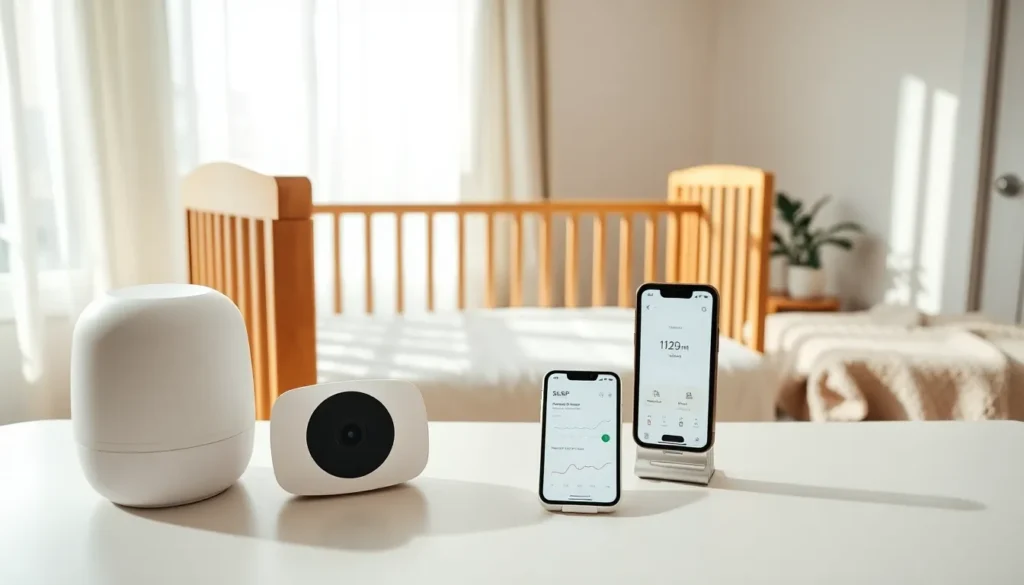
These devices and apps track sleep, create calming environments, and help babies settle faster. Some parents swear by white noise machines. Others rely on smart monitors that analyze sleep data. Understanding which tools work, and how to use them, gives families a practical path to better rest.
Key Takeaways
- Newborn sleep cycles tools like white noise machines and smart monitors help parents manage unpredictable baby sleep patterns by creating calming environments and tracking sleep data.
- Research shows 80% of newborns fall asleep within five minutes with white noise, compared to only 25% without it.
- When choosing newborn sleep cycles tools, consider your budget, living situation, and baby’s temperament—prices range from $20 for basic machines to over $300 for premium monitors.
- Place white noise machines at least three feet from your baby’s head and keep volume at or below 50 decibels to protect hearing.
- Use sleep tools consistently at every nap and bedtime to help your baby associate the sounds with rest.
- Combine newborn sleep cycles tools with safe sleep practices—consumer monitors are not medical devices and should never replace placing babies on their backs in empty cribs.
Understanding Newborn Sleep Patterns
Newborns don’t sleep like adults. Their sleep cycles last only 50 to 60 minutes, compared to 90 minutes for grown-ups. They also spend more time in light sleep, which explains why they wake so easily.
During the first few months, babies lack a circadian rhythm. They can’t tell day from night. This means they wake at random intervals to feed, regardless of what time it is. By around 3 to 4 months, most babies start developing more predictable patterns.
Newborn sleep cycles tools become valuable because they address these biological realities. White noise can extend sleep periods by masking sudden sounds. Monitors can track when babies enter deep sleep versus light sleep. This information helps parents time their own rest and plan their days.
Parents should also know that newborns experience two main sleep stages: active sleep (similar to REM) and quiet sleep (similar to non-REM). During active sleep, babies may twitch, smile, or move their eyes. This is normal. Newborn sleep cycles tools like monitors can help parents distinguish between these phases and avoid unnecessary wake-ups.
Types of Sleep Cycle Tools for Newborns
Several categories of newborn sleep cycles tools exist on the market. Each serves a different purpose, and many parents combine multiple tools for best results.
White Noise Machines and Sound Apps
White noise machines rank among the most popular newborn sleep cycles tools. They produce consistent sounds that block out household noise, traffic, and other disruptions. Many babies respond well to sounds that mimic the womb environment, whooshing, heartbeat rhythms, or gentle static.
Dedicated machines offer advantages over phone apps. They don’t drain a phone battery or interrupt with notifications. Some models include timers, volume controls, and multiple sound options. Brands like Hatch, Marpac, and LectroFan dominate this category.
Sound apps work as a budget-friendly alternative. Many are free or cost just a few dollars. They turn any smartphone or tablet into a white noise source. But, parents should consider the device placement and screen time implications.
Research supports white noise effectiveness. A study published in the Archives of Disease in Childhood found that 80% of newborns fell asleep within five minutes when exposed to white noise, compared to only 25% without it.
Baby Sleep Monitors and Trackers
Sleep monitors have evolved beyond simple audio devices. Modern newborn sleep cycles tools in this category track breathing, movement, heart rate, and sleep quality. They send data to smartphone apps where parents can review patterns over time.
Wearable monitors attach to a baby’s diaper or clothing. The Owlet Smart Sock and Nanit are popular examples. These devices alert parents if breathing or heart rate falls outside normal ranges. They also log sleep duration and quality.
Camera-based systems take a different approach. They use video and sometimes AI to analyze baby movements without any wearable component. Parents can watch live feeds and receive alerts if something seems off.
These newborn sleep cycles tools provide peace of mind, but they come with caveats. The American Academy of Pediatrics notes that consumer sleep monitors are not medical devices. They should not replace safe sleep practices like placing babies on their backs in empty cribs.
How to Choose the Right Sleep Tools for Your Baby
Selecting newborn sleep cycles tools depends on several factors: budget, living situation, and personal preferences.
Budget matters because prices range dramatically. A basic white noise machine costs $20 to $40. A premium smart monitor with breathing tracking can exceed $300. Parents should decide what features they actually need versus what sounds appealing in marketing materials.
Living situations also influence choices. Families in small apartments may benefit more from white noise machines that mask neighbor sounds. Those in quiet suburban homes might prioritize monitors over sound machines.
Baby temperament plays a role too. Some newborns sleep through almost anything. Others startle at the slightest noise. Observing a baby’s reactions during the first weeks helps parents identify which newborn sleep cycles tools will be most useful.
Safety certifications deserve attention. Look for products that meet current safety standards. Read recent reviews to check for recalls or common issues. Avoid secondhand monitors, as software may be outdated.
Finally, consider simplicity. The best newborn sleep cycles tools are ones parents will actually use. A complicated app with 47 features might sit unused, while a straightforward machine with an on/off switch gets daily use.
Tips for Using Sleep Tools Effectively
Owning newborn sleep cycles tools is one thing. Using them well is another.
Placement affects performance. White noise machines should sit at least three feet from the baby’s head. The volume should stay at or below 50 decibels, roughly the level of a quiet conversation. Closer placement or louder volumes can potentially damage hearing over time.
Consistency builds associations. When babies hear white noise at every sleep time, they begin to associate that sound with rest. This creates a cue that signals sleep is coming. Parents should use their newborn sleep cycles tools during both naps and nighttime.
Monitors work best when parents understand their limitations. False alarms happen. A sock might slip, or a camera angle might trigger an alert. Learning the device’s quirks reduces anxiety over time.
Avoid over-reliance on data. Tracking sleep can become obsessive. If checking an app every ten minutes creates more stress than comfort, it might be time to step back. Newborn sleep cycles tools should support parents, not consume them.
Combine tools with good sleep hygiene practices. Keep the room dark and cool. Establish consistent bedtime routines. Newborn sleep cycles tools work best as part of a broader approach, not as standalone solutions.