Table of Contents
ToggleThe weeks after childbirth bring joy, exhaustion, and a body that needs serious TLC. Postpartum recovery tools can make a real difference during this period. New mothers face physical healing, hormonal shifts, and the demands of caring for a newborn, all at once. The right products and resources help speed recovery and reduce discomfort.
This guide covers the essential postpartum recovery tools every new mom should consider. From physical healing aids to mental health support, these items address the full spectrum of postpartum needs. Whether someone is preparing a baby registry or already home with a newborn, this list offers practical solutions that work.
Key Takeaways
- Postpartum recovery tools like peri bottles, cooling pads, and sitz baths provide essential relief for perineal healing after childbirth.
- Compression garments and belly wraps support abdominal muscles and help manage back pain during the first weeks of recovery.
- Pelvic floor trainers and specialized core recovery programs address common postpartum issues like urinary leakage and diastasis recti.
- Breastfeeding support tools—including nipple cream, breast pumps, and nursing pillows—make nursing more comfortable and sustainable.
- Mental health resources such as mood tracking apps, meditation programs, and therapy are critical postpartum recovery tools for managing anxiety and depression.
- Building a comfortable recovery station with essentials within reach encourages rest and reduces strain during the demanding newborn phase.
Physical Recovery Essentials
The body undergoes significant changes during pregnancy and delivery. Physical postpartum recovery tools focus on healing perineal tissue, managing bleeding, and reducing swelling. These items provide comfort during the first weeks after birth.
Perineal Care Products
Peri bottles rank among the most useful postpartum recovery tools available. These squeeze bottles deliver warm water for gentle cleansing after using the bathroom. Most hospitals provide one, but upgraded versions with angled spouts offer better control.
Cooling pads provide relief for sore perineal tissue. Products like Frida Mom’s cooling pad liners combine absorption with a cooling sensation. Some new moms make DIY “padsicles” by soaking pads in witch hazel and aloe vera, then freezing them.
Sitz baths promote healing by increasing blood flow to the perineal area. Portable versions fit over a toilet seat, making regular soaking sessions convenient.
Compression and Support Garments
Postpartum belly wraps and compression underwear support the abdominal muscles as they recover. These postpartum recovery tools help with back pain and provide gentle pressure that many women find comforting. High-waisted compression underwear also holds pads securely in place during heavy bleeding.
C-section recovery requires specific garments. Abdominal binders protect the incision site and reduce movement that causes pain. Many hospitals provide basic binders, though medical-grade options offer better support for the weeks ahead.
Pelvic Floor and Core Rehabilitation
Pregnancy and birth strain the pelvic floor muscles. These muscles support the bladder, uterus, and bowel. Weakened pelvic floor muscles can cause urinary leakage, discomfort, and other issues. Specific postpartum recovery tools help rebuild strength in this area.
Pelvic Floor Trainers
Kegel weights and electronic pelvic floor trainers guide effective muscle exercises. Devices like Elvie Trainer provide biofeedback through a smartphone app. Users can see whether they’re engaging the correct muscles and track progress over time.
Simpler options include weighted Kegel balls. Starting with lighter weights and progressing gradually helps rebuild strength safely. Medical professionals recommend waiting at least six weeks postpartum before using internal devices.
Core Recovery Programs
Diastasis recti, a separation of the abdominal muscles, affects many postpartum women. Traditional crunches can worsen this condition. Specialized postpartum recovery tools include online programs and apps designed for safe core rehabilitation.
Programs like Every Mother and the MUTU System offer guided exercises that address diastasis recti. These postpartum recovery tools teach proper breathing techniques and progressive movements. Many women see significant improvement within 12 weeks of consistent practice.
Physical therapy remains valuable for persistent issues. Pelvic floor physical therapists assess individual needs and create personalized treatment plans.
Breastfeeding Support Tools
Breastfeeding presents challenges for many new mothers. The right postpartum recovery tools make nursing more comfortable and successful.
Nipple Care and Comfort
Nipple cream prevents and heals cracked, sore nipples. Lanolin-based products like Lansinoh remain popular choices. For those who prefer lanolin-free options, organic nipple balms with coconut oil and calendula work well.
Breast shells protect sensitive nipples between feedings. These dome-shaped cups prevent fabric from rubbing against sore tissue. Hydrogel pads offer cooling relief for damaged nipples and speed healing.
Pumping and Feeding Accessories
Breast pumps qualify as essential postpartum recovery tools for many mothers. Electric pumps save time, while portable options like Willow and Elvie allow hands-free pumping. Insurance often covers the cost of a breast pump.
A good nursing pillow supports the baby’s weight during feedings. This reduces strain on the mother’s arms, back, and shoulders. The Boppy and My Brest Friend are two widely recommended options.
Nursing bras with easy access make breastfeeding more convenient. Look for soft, supportive styles without underwire during the early postpartum period.
Mental Health and Self-Care Resources
Postpartum mental health deserves as much attention as physical recovery. Up to one in five women experience postpartum depression or anxiety. Mental health postpartum recovery tools provide support during this vulnerable time.
Apps and Digital Resources
Mood tracking apps help new mothers monitor their emotional state. Apps like Postpartum Support International’s resource finder connect users with local support groups and mental health professionals.
Meditation apps such as Calm and Headspace offer programs specific to new mothers. These postpartum recovery tools provide guided sessions for stress reduction, better sleep, and anxiety management. Even five minutes of daily meditation can improve mental wellbeing.
Sleep and Rest Aids
Sleep deprivation worsens postpartum mood issues. White noise machines help babies (and parents) sleep longer. Blackout curtains create a dark environment for daytime naps.
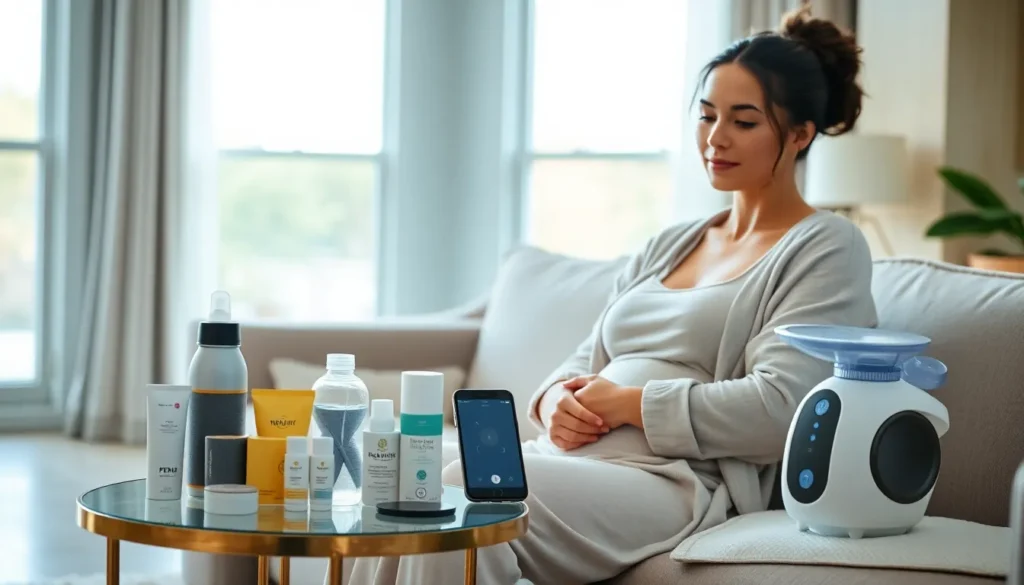
A comfortable recovery station keeps essentials within reach during nursing sessions. Include water, snacks, phone chargers, and entertainment. This setup encourages rest and reduces the need to get up constantly.
Professional Support
Therapy and counseling serve as powerful postpartum recovery tools. Many therapists now offer virtual sessions, making access easier for homebound new mothers. Postpartum support groups, both online and in-person, provide community and understanding.
Doula services extend beyond birth. Postpartum doulas help with infant care, breastfeeding support, and household tasks. This practical assistance gives new mothers time to heal and rest.